Second Time Around: A Blunt Reheat Guide for Leftover Flame-Grilled Chicken
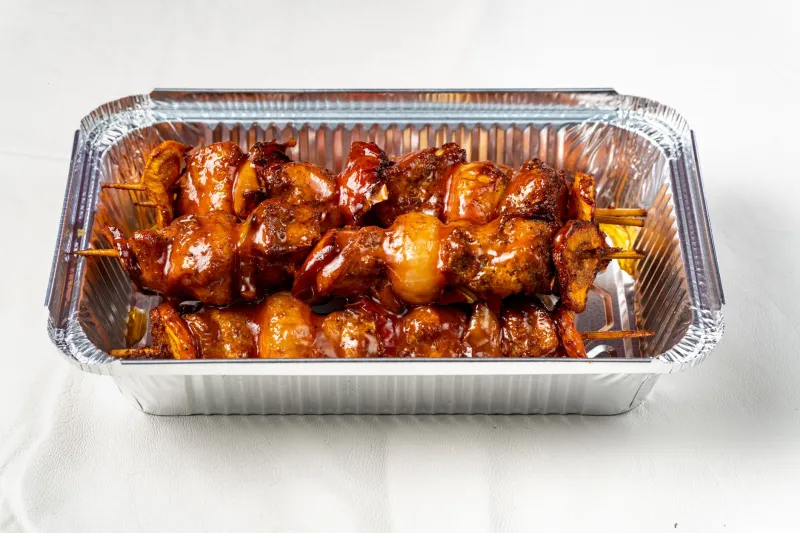
There is a specific kind of disappointment reserved for the morning after a takeaway. You open the fridge, find half a chicken in a foil tray, and think: right, that is lunch sorted. Then you blast it in the microwave for two minutes and end up chewing something with the texture of a flip-flop.
That is not the chicken's fault. It is a technique problem, and it is fixable.
Leftover Grilled Chicken Is Not Just Reheated Chicken
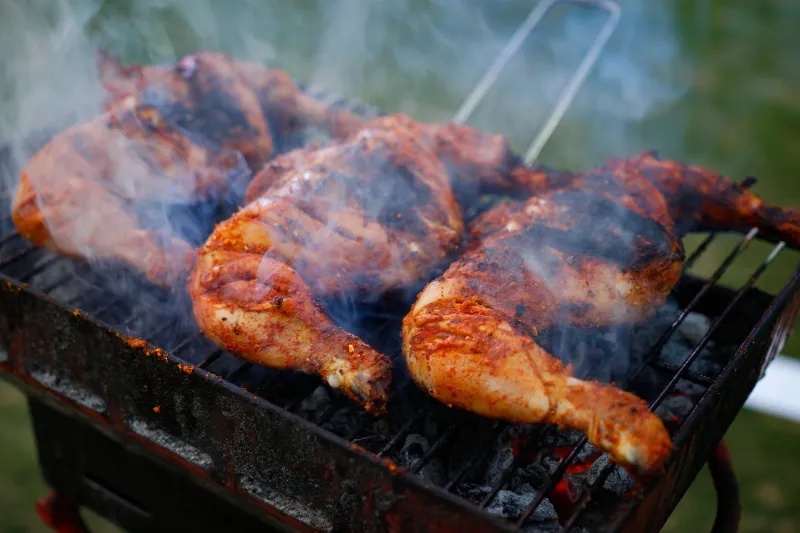
Flame-grilled chicken has already been through it. It was marinated, grilled over heat, rested, boxed, and driven across town. Reheating is its third or fourth cooking event, and every one of those events squeezes moisture out of the muscle fibres.
Which means your only job is speed: get the middle hot before the outside dries out. Everything below is in service of that one rule.
Two things worth knowing before you start. Dark meat — thighs, legs, wings — is far more forgiving than breast, because it carries more fat. And bone-in pieces survive reheating better than boneless strips, which tend to go from warm to jerky in about forty seconds.
The Window: 24 Hours, Ideally
The Food Standards Agency line is boring but it is the line: cool leftovers within 90 minutes, get them in the fridge within two hours, keep the fridge at 5C or below, and reheat only once.
In practical terms, that means a Saturday night order is best eaten by Sunday evening. You can stretch to Monday, and plenty of people do, but the quality drops off a cliff and you are gambling for very little reward. Decant the chicken into a shallow container rather than shoving the whole foil tray in — a deep tub of hot chicken cools far too slowly in the middle, which is exactly where you do not want bacteria having a nice time.
And the once-only rule is not a suggestion. Reheat it, eat it, and if there is still chicken left after that, it has had its chance.
Air Fryer: The Winner, Most of the Time
If you own one, this is the tool.
Single layer, no stacking. 160C for six to eight minutes, depending on the size of the pieces. A splash of water in the bottom of the drawer for the first half, or a loose foil lid, keeps the surface from drying while the middle catches up. Take the lid off for the last two minutes and the skin comes back to something genuinely crisp.
Bone-in thighs and drumsticks come out of an air fryer better than they went in, which is more than you can say for most kitchen gadgets.
Oven: The Reliable, Slower Option
For a bigger batch, or if the air fryer is doing chips duty, the oven is fine. 180C fan, chicken in a foil-covered tray with a tablespoon of water, twelve to fifteen minutes. Uncover for the final five and it will crisp up properly.
The downside is time and the fact that a long, gentle heat dries breast meat out. If you are reheating a mixed box, pull the breast out five minutes before the legs.
Microwave: Stop Apologising For It
It is fast, it is fine, it just needs a bit of care.
Cover the plate. Add a splash of water or a spoon of sauce alongside the chicken, not on it. Medium power rather than full, in thirty-second bursts, turning between each. Let it stand for a minute before you eat, because the heat keeps travelling.
The skin will go soft. That is the trade-off. If the soft skin offends you, finish the piece skin-side down in a hot dry pan for thirty seconds. It is a small effort with a big payoff.
Hob: For Shredded Meat and Strips
Leftover boneless chicken is best shredded. Warm it low and slow in a lidded pan with a splash of stock, a splash of sauce, or a spoon of the marinade it came with. Three to four minutes, lid on, minimal stirring. Stir it constantly and you will make chicken porridge.
This is also the route to leftover chicken in a wrap, a loaded chips situation, or a bowl of rice the next day. Shredded, sauced and warmed through, nobody needs to know it was yesterday's order.
When to Add the Sauce (Not Before)
This is where most people get it wrong. Peri-peri sauce contains sugar, and sugar burns. Sauce the chicken before it goes into a hot oven or air fryer and you are not glazing it, you are carbonising it.
Add sauce at the end, off the heat, or keep it cold as a dip on the side. Warm the sauce separately in a small pan or a ten-second blast in the microwave — cold sauce on hot chicken just makes the whole plate lukewarm.
Best of all: order extra sauce with the original takeaway. It costs pennies and it means the second meal is properly dressed rather than dry.
Which Sides Actually Survive
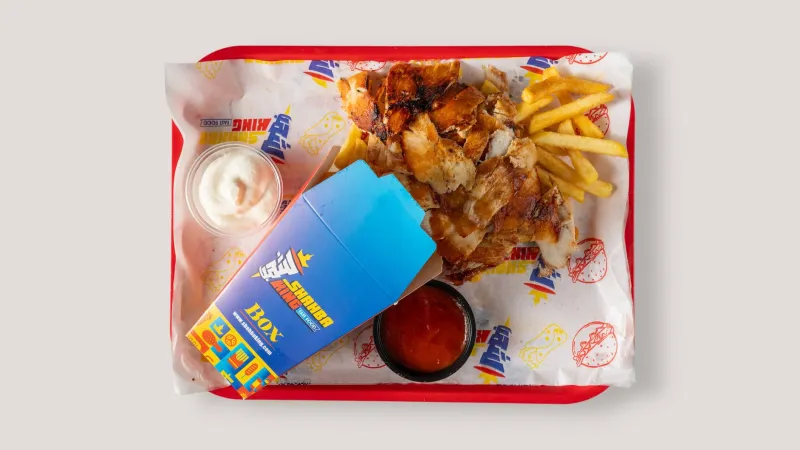
- Chips: best in the air fryer at 200C for four minutes, or a dry pan with a lid. Do not microwave them, you know what happens.
- Rice: sprinkle with water, cover, microwave in short bursts. Acceptable.
- Garlic bread: foil, oven, five minutes. Better than fresh, arguably.
- Corn on the cob: fine, microwave, butter afterwards.
- Coleslaw: bin it. It went watery the moment it met the chicken.
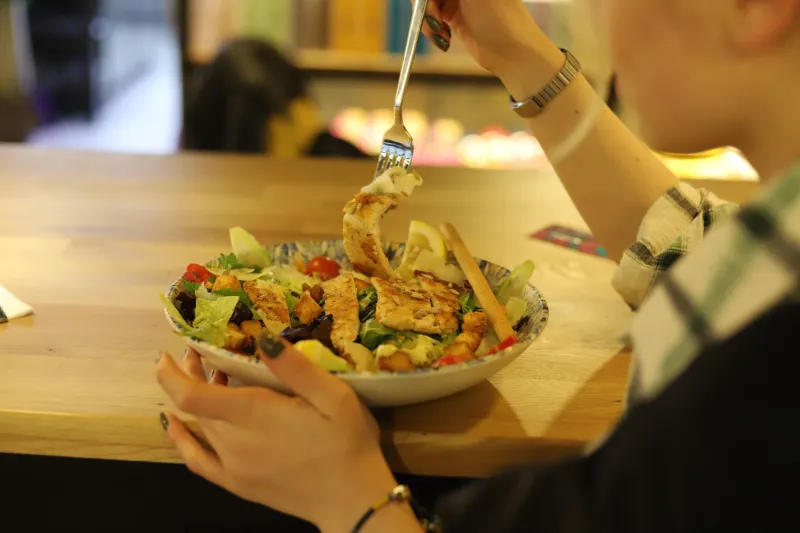
- Leaves: absolutely not. A dressed salad does not have a second act.
The Short Version
Fridge within two hours. Eat within a day. Reheat once, until piping hot all the way through. Air fryer first, oven second, microwave if you are in a rush, hob for anything shredded. Sauce at the end, never before.
Follow that and last night's order becomes a genuinely good lunch. Ignore it and you will be chewing that flip-flop again.