Fridge Door Politics: The Peri-Peri Bottles That Actually Earn Their Keep
Start with a ruthless shelf audit
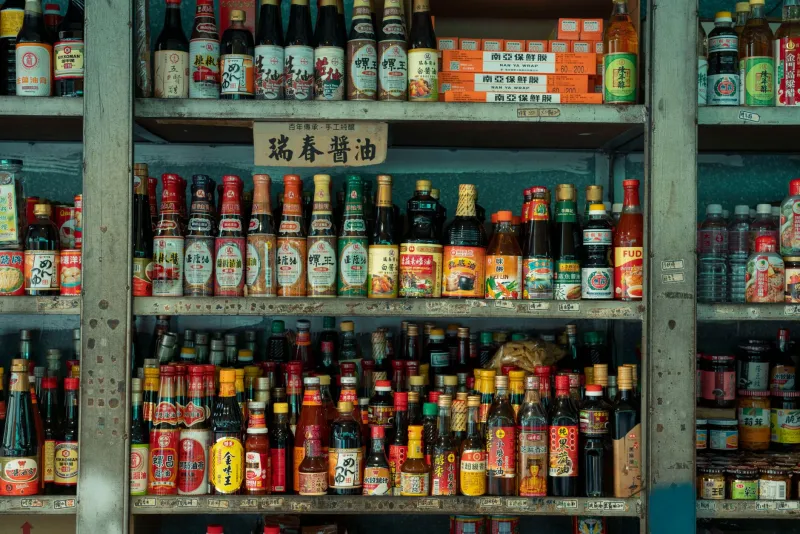
Every fridge door in Britain tells a story. Usually it is a story about optimism: three mustards, a jar of something from a farmers market in 2023, and a peri-peri bottle that seemed like a good idea at the time. The door is prime kitchen real estate, but it is also the warmest part of the fridge. That matters. If a sauce lives there, it should be earning its place through frequent use, not just looking good next to the milk.
At Melt, the point of peri-peri is simple: flame-grilled chicken, proper heat, no fuss. The same logic should apply at home. A sauce deserves permanent fridge-door status when it improves the food you actually eat on a Tuesday, not just the food you order when someone suggests a full spread. So here is a practical, slightly blunt guide to building a sauce roster that works.
The daily drizzle tier
These are the bottles you reach for without thinking. They are not the most dramatic, but they are the most useful.
Everyday medium peri-peri is the workhorse. It has enough heat to wake up a chip butty, enough acidity to cut through leftover roast chicken, and enough flavour to make a plain cheese toastie feel like a proper lunch. If you only keep one bottle within arm's reach, make it this one. It is the sauce equivalent of a good pair of trainers: not flashy, but you will wear it constantly.
Lemon and herb earns its spot for a different reason. It is the bottle for people who want peri-peri flavour without the burn, and for days when the heat needs to take a back seat. It is excellent on chips, mixed into mayonnaise for a quick dip, or spooned over cold chicken in a wrap. It also has a habit of making plain rice or a boring salad feel less like a punishment.
Garlic peri-peri is the sleeper hit. A thin smear inside a cheese toastie before it hits the pan is a genuinely good move. A dab stirred into mayo turns ordinary chips into something worth sitting down for. It is not the bottle you showcase, but it is the one guests ask about when they cannot quite place the extra savoury note.
The weekend wingman tier
Hot and extra-hot sauces are not daily drizzlers for most households, and that is fine. They still have a job.
Hot peri-peri is the bottle for leftovers that need a kick. Cold roast chicken, a bit of rice, a spoonful of hot sauce and a minute in a hot pan is a better lunch than most meal deals. It also works well when mixed with yoghurt or mayo for a quick dressing, which is a sensible way to use it if you want the flavour without the full inferno.
Extra-hot is the one that tends to appear only when someone orders a full flame-grilled spread. That is not a criticism; it is just a fact. If it is used once a month, it does not need to hog the fridge door. Keep it on a back shelf or in the cupboard, bring it out when the heat lovers are around, and use a smaller bottle if you can. A sauce that is opened and then forgotten is just decoration with a use-by date.
The niche bottle question
Sweet chilli, BBQ-style sauces and other friendly dips can be useful, but they are not really the point of a peri-peri shelf. They are for dipping, not for transforming leftovers. If you have them, keep them, but be honest about their role. A fridge door is not a trophy cabinet. It is a working shelf.
Shelf-life common sense
Check the label. Some opened sauces need chilling; others are fine in a cupboard. Even when a label says cupboard is acceptable, the fridge is often the safer bet once a bottle is open, especially in a warm kitchen. Write the date you opened it on the cap with a marker. It takes five seconds and saves the classic game of is this still alright.
Wipe the neck of the bottle before it goes back. Do not double dip with a used fork or a chip that has already been in your mouth. Keep bottles out of direct sunlight. And ignore the temptation to keep a sauce just because it was expensive or because the label looks nice. If it smells off, tastes flat or has changed colour, bin it. Best-before dates are a guide; your nose and tongue are part of the system too.
The fridge door is also a bad home for long-term storage because the temperature swings every time the door opens. That is another reason to reserve door space for the bottles you use most days. Backups, bulk buys and novelty heat challenges belong further inside the fridge or in a cool cupboard.
The leftover and toastie tests
A good sauce should improve leftovers without masking them. Medium, lemon and herb, and garlic all pass that test. They lift cold chicken, chips, rice and a plain cheese toastie without turning every meal into a sauce delivery system. Extra-hot is less versatile. It is brilliant when you want the burn, but it can trample everything else on the plate.
For the toastie test, less is more. Drizzle on the plate rather than soaking the bread, or use a small smear of garlic peri-peri inside before grilling. You want a crisp, cheesy sandwich with a peri-peri edge, not a soggy slice of regret.
The final door roster
A sensible fridge door holds three bottles: everyday medium, lemon and herb, and garlic. Add hot if your household actually uses it. Keep extra-hot and other occasional bottles on standby. Rotate the stock, use the oldest first, and do not treat the door as a permanent exhibition.
A sauce earns its keep by being used. Everything else is just fridge-door politics.