Read the Counter Before the Chicken: A Blunt Peri-Peri Sauce Audit
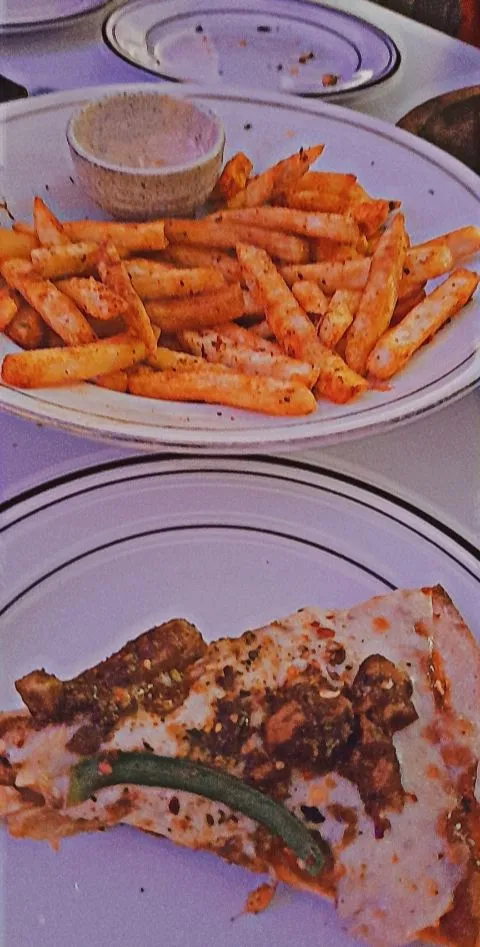
Photo: Sannidhishetty, CC BY-SA 4.0, via Wikimedia Commons
You can learn a lot about a peri-piri kitchen before a single wing hits the grill. The menu can promise flame-grilled perfection. The photos can look like a dream. But the sauce station is where the kitchen stops performing and starts telling the truth. It is the first review you will ever get at Melt Peri Peri, and it costs nothing to read.
The counter is the first honest review
A peri-piri sauce station is not decoration. It is a working part of the kitchen. Bottles that are topped up, labelled and clean suggest someone is paying attention. Bottles that are crusted, anonymous and half-empty suggest the opposite. You do not need to be a health inspector to spot the difference. You just need to look before you order.
Point one: fresh batches and visible turnover
Fresh sauce has life to it. It moves. It smells of chilli, garlic and lemon rather than old vinegar and regret. If the bottles look like they have been sitting there since the last World Cup, ask yourself why. A kitchen that cares will refresh its sauces and keep the station stocked. You might not see the batch date, but you can see the evidence: full bottles, clean necks and a steady flow of staff topping things up. A good peri-piri counter never lets the medium bottle run dry while the extra hot sits untouched. That tells you which sauce the kitchen actually believes in.
Point two: labels that mean something
Heat labels should be clear, consistent and honest. Mild, medium, hot, extra hot. Lemon and herb. Garlic. Whatever the range is, it should be easy to read at a glance. Mystery sauce is not charming. It is a gamble. If the label has faded, peeled off or been replaced by a handwritten scrawl that says 'hot stuff', you are allowed to raise an eyebrow. A proper label tells you what you are about to put on your chips. It also tells you whether the kitchen respects your ability to choose.
Point three: chilli oil sheen, not sludge
Chilli oil should have a sheen. It should look like something that was made with care, not like the bottom of a frying pan after a busy Friday. A good chilli oil catches the light and smells warm and peppery. A bad one looks cloudy, thick and tired. You are not looking for a laboratory test. You are looking for signs of life. If the oil has separated into a sad puddle and a crust, leave it alone. There is no heroism in ruining your meal to prove a point.
Point four: the clean spoon test
This is the simplest audit point and the most telling. Look at the serving spoon. Look at the bottle rim. Look at the little tray underneath. If the spoon is sticky, the rim is crusted or the tray is a mess, that bottle has been neglected. One messy bottle is not a crisis. A whole station of messy bottles is a message. A kitchen that cannot keep a spoon clean is a kitchen that is not checking the small things. The small things are usually the ones you taste.
Point five: staff who can talk heat
Ask a simple question: which sauce would you put on chips? If the answer is a shrug, that is your audit result. If the answer is a proper sentence, you are in good hands. Staff who can talk about heat levels, flavour and what goes with what are staff who have been trained. They know the difference between a sauce that bites and one that just tastes of vinegar. That knowledge is worth more than any chalkboard slogan.
What to do with a bad audit
You can still order. A sad sauce station does not automatically mean a sad chicken. But adjust your approach. Ask for sauce on the side so you can control the heat. Ask for a fresh pot if something looks tired. Choose grilled chicken over a sauce-heavy dish. Do not let a lazy condiment counter ruin a good bird, but do not pretend you did not see it either. The audit is information. Use it.
The verdict before the bird
The sauce station will not tell you everything. It will not tell you how the chicken was marinated or how long the chips have been sitting. But it will tell you enough. Read the counter before the chicken arrives. Check the bottles, the labels, the oil and the spoons. Then order with your eyes open. That is the first honest review you will get at Melt Peri Peri, and it is yours for free.